Reducing Urban Congestion Without Major Financial Investments

Write your awesome label here.
  • Collaborators
    Sapienza University of Rome & UNEEDIT
  • Subcategory
    Mobility Resilience
  • Read time
    2 minutes
  • Coordinator
    Gabriele Giustiniani
  • Contact
    gabriele.giustiniani@uneed-it.eu


Background:

Urban congestion is one of the most persistent challenges facing metropolitan areas worldwide. It generates substantial economic costs (lost productivity, inefficient logistics), environmental impacts (air pollution, greenhouse gas emissions), and social consequences (stress, reduced quality of life, unequal access to opportunities).


Problem statement:

In many cities, congestion is driven by structural conditions such as heavy reliance on private cars, fragmented or inefficient public transport systems, limited coordination among mobility services, concentration of activities in peak hours and specific areas, constrained public budgets.

While large-scale interventions (e.g., metro systems, road expansions) are often proposed as solutions, they require significant financial resources, long implementation times, and high institutional capacity. In contexts characterized by budget constraints and unstable economic conditions such investments may not be feasible in the short to medium term. For this reason, addressing congestion without major financial investments requires a strategic rethinking of how existing resources, regulations, incentives, and behaviors can be optimized to improve system performance.


The challenge:

The objective of this challenge is to develop a strategy to reduce urban congestion without relying on major financial investments while improving efficiency, organization, and management of current mobility systems.

Participants are invited to frame and analyze the problem within the local context, then explore potential measures such as demand management, regulatory and pricing tools, better coordination among stakeholders, more effective use of available road space and services, low-cost technological solutions, behavioral incentives.

Working Structure & Partners

Sapienza University of Rome & UNEEDIT

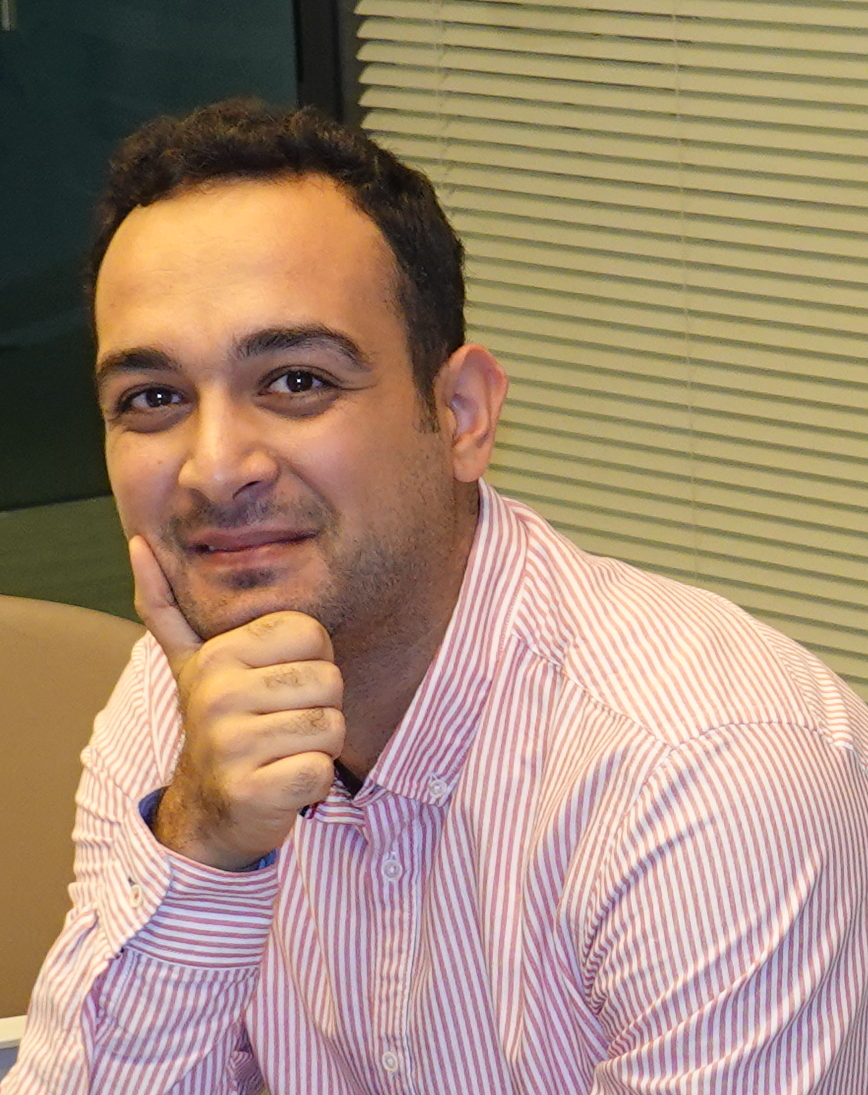
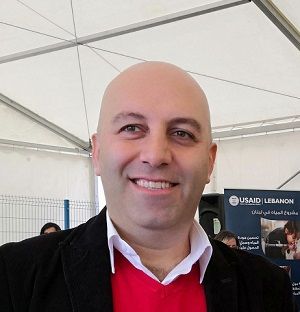
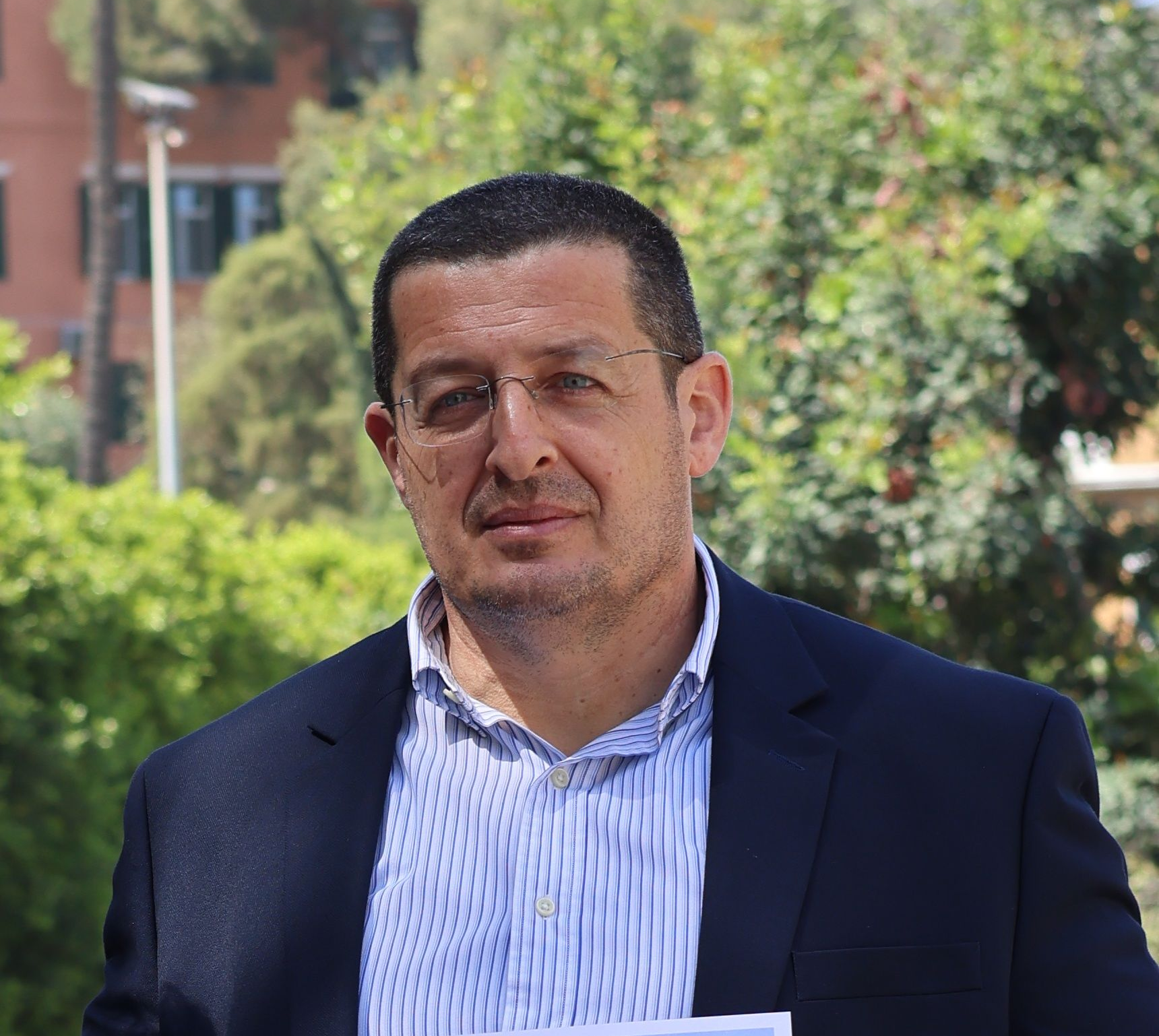
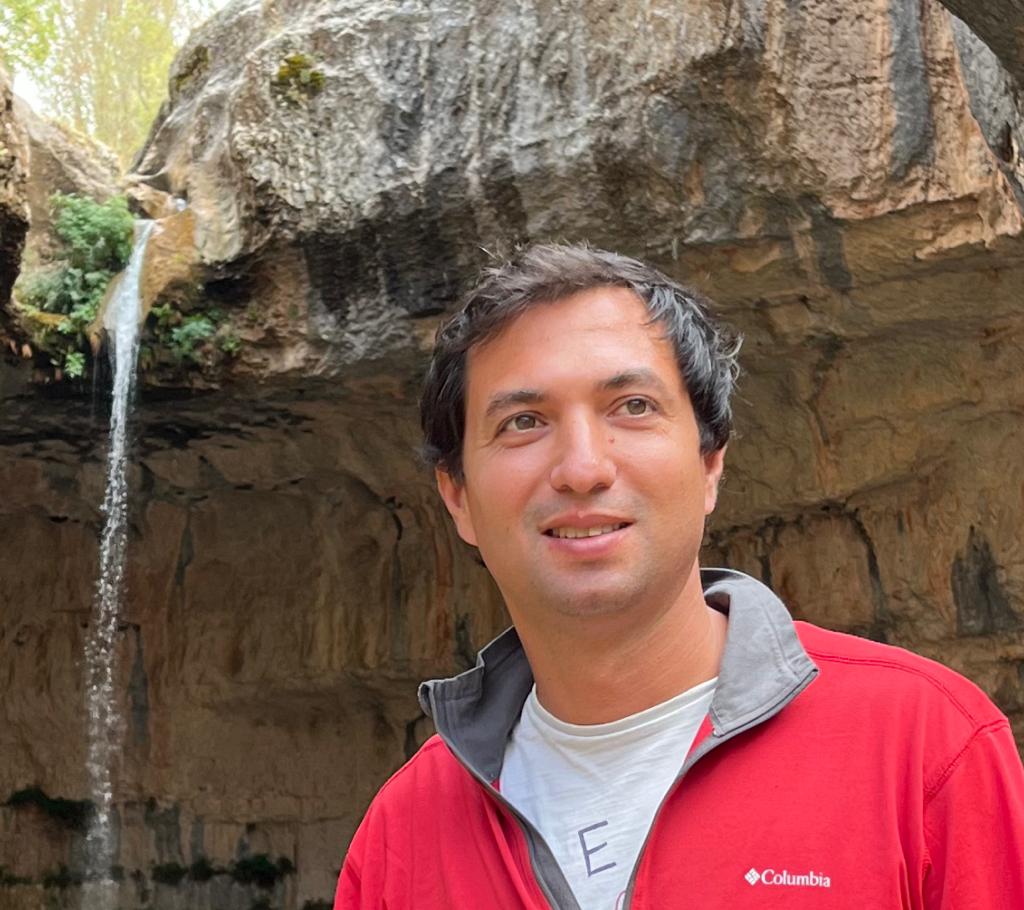
Paolo Venturini

Associate Professor
Department of Mechanical and Aerospace Engineering
Sapienza University of Rome (Italy)
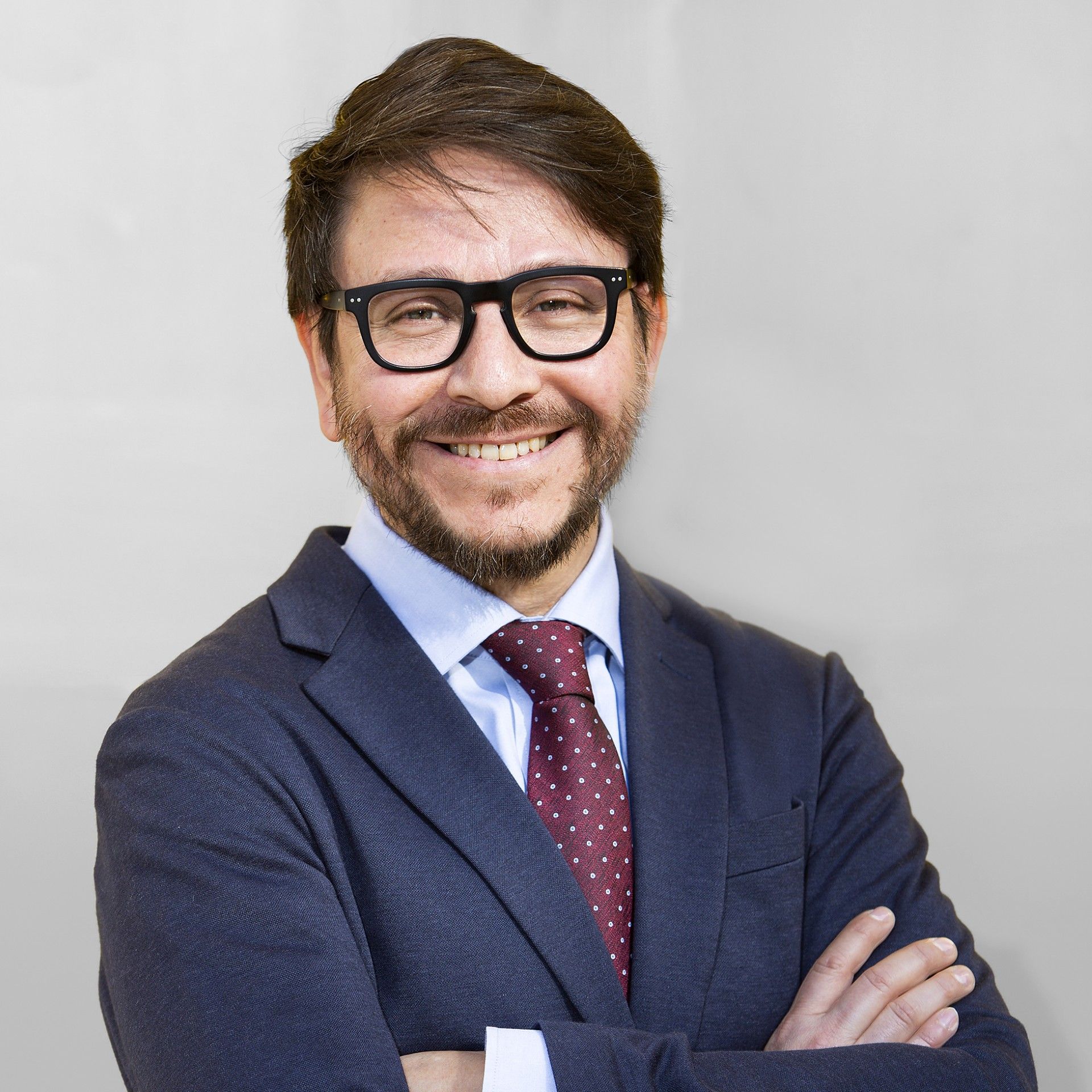
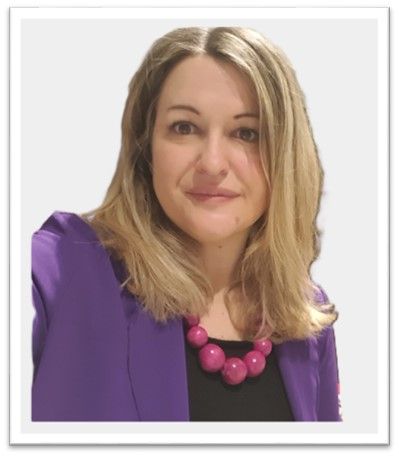
Gabriele Giustiniani

Business Development Director UNEEDIT
www.uneed-it.eu

Giuliano Agati

Research Associate
Department of Mechanical and Aerospace Engineering
Sapienza University of Rome (Italy)
Raffaele Alfonsi

Technical and Managing Director UNEEDIT
www.uneed-it.eu

Alessio Castorrini

Associate Professor
Department of Mechanical and Aerospace Engineering
Sapienza University of Rome (Italy)