From Carbon Emissions to Synthetic Methane: Sustainable Design of Nickel-based Catalysts for CO2 Methanation – Part 1

Write your awesome label here.
  • Author
    Mariam Mokalled
  • Advisor
    Dr. Mohammad Ahmad
  • Level
    Intermediate
  • Study time
    ~ 20 minutes
  • Videos
    4
  • Contact

    mkm18@mail.aub.edu
    ma258@aub.edu.lb

Module Description

This part introduces CO₂ methanation as a key technology within Carbon Capture, Utilization, and Storage and Power-to-X systems. The module presents the fundamentals of converting CO₂ into synthetic methane. It covers thermodynamics and operating conditions, including the influence of temperature, H₂:CO₂ ratio, steam, and competing reactions on conversion and selectivity.

Participants explore why catalysts are required to overcome kinetic barriers and what properties define an effective methanation catalyst. The module also introduces solution combustion synthesis as a fast, scalable, and sustainable route for preparing catalysts. Finally, common deactivation challenges are discussed to highlight limitations encountered during operation.


Learning Outcomes

By the end of this module, you will be able to:

  • Explain the role of CO₂ methanation in CCUS and Power-to-X technologies.
  • Understand how thermodynamics and operating conditions affect conversion and selectivity.
  • Identify key traits of effective methanation catalysts.
  • Describe solution combustion synthesis as a sustainable catalyst preparation route.
  • Recognize common catalyst deactivation mechanisms in CO₂ methanation.

created by

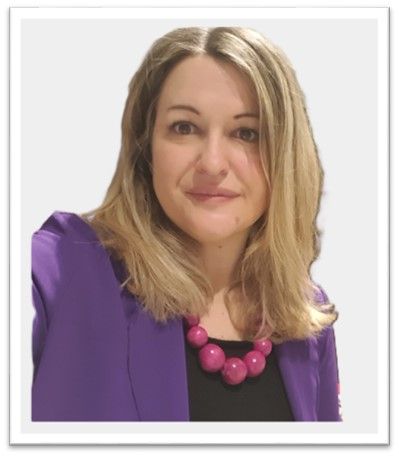
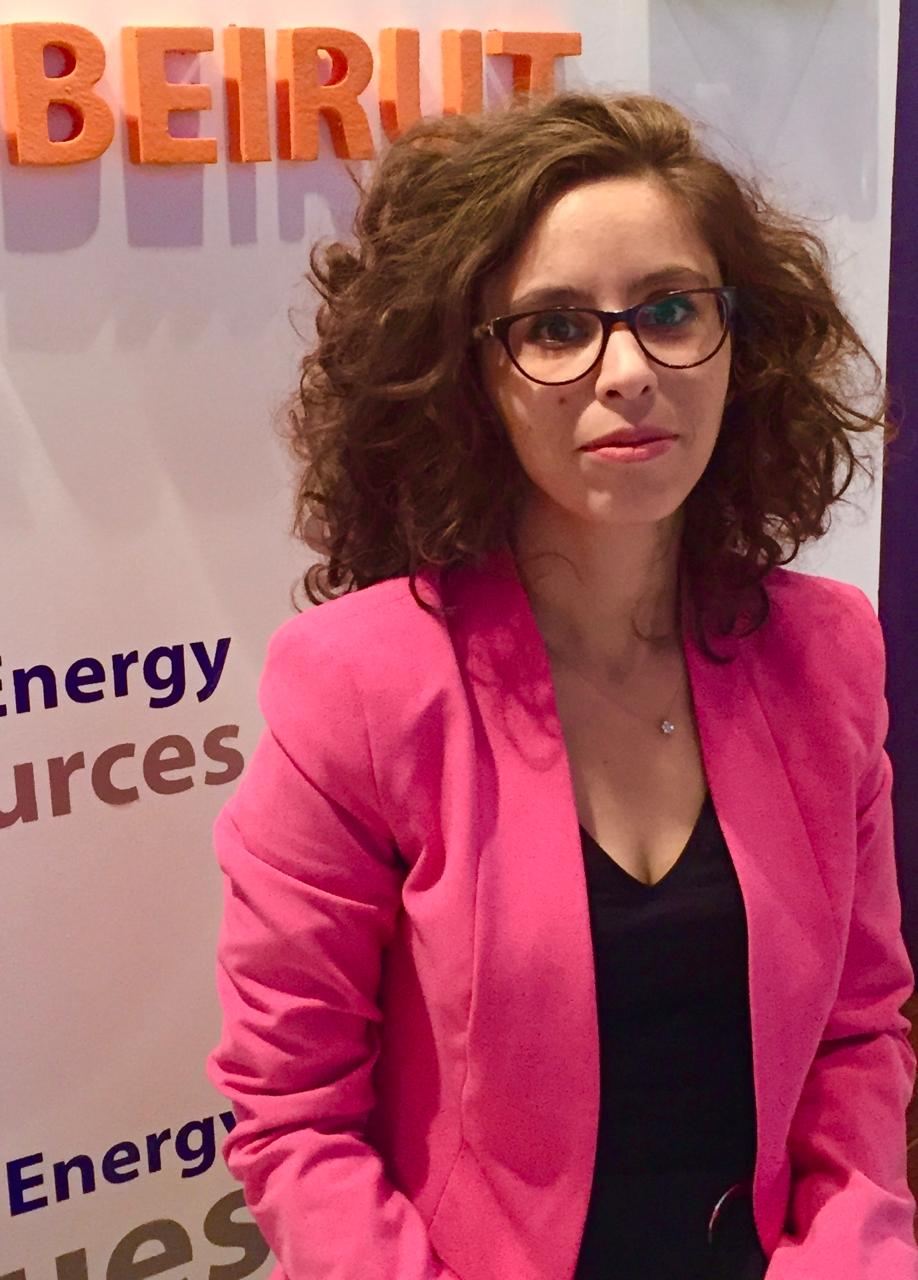
Mariam Mokalled

Researcher with a BS in Chemistry and an MS in Chemical Engineering. Working in materials synthesis & characterization, carbon capture and utilization, sustainability, catalysis, MOFs, Metal Oxides, mechanochemistry, and clean energy.
main advisor

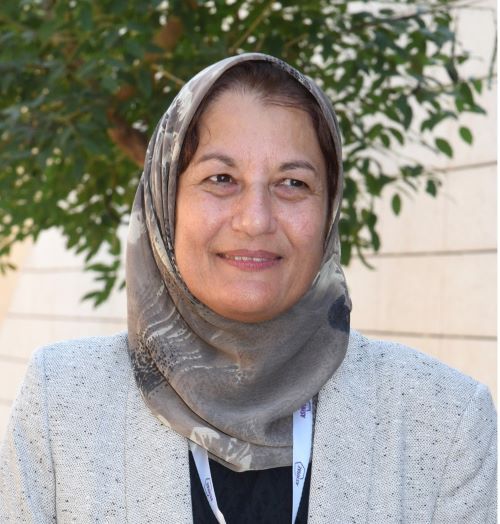
Dr. Mohammad Ahmad

Dr. Mohammad Ahmad is a tenured professor in the Department of Chemical Engineering and Advanced Energy at The American University of Beirut. He has a successful research career, having secured funding from government research councils and industry during his time at Queen's University Belfast and the American University of Beirut. His total research income amounts to approximately 2 million US dollars. Dr. Ahmad specializes in solid waste management, biofuel production from waste, heterogeneous catalysis, and simulation and modeling. He has supervised more than 35 Ph.D. students and over 100 MSc research projects, and has published over 110 articles in high-impact journals, many of which have received numerous citations. His primary area of research focuses on the production of renewable energy as biofuels from biomass, through advancements in catalysis and the use of metal-organic frameworks (MOFs), CO2 methanation, and hydrogen production.  His citations according to Scopus (March 2026, 8730, and h-index of 46).