Fault Diagnostic & System Maintenance for RE Systems - Part 2

Write your awesome label here.
  • Author
    Prof.  Sameer Khader
  • Level
    Advanced
  • Study time
    ~ 25 minutes
  • Videos
    5
  • Assessments
    1

Module Description

This course introduces renewable energy power electronic converters, with a primary focus on DC choppers and inverters. It covers converter topologies, operating principles, major components, and practical methods for troubleshooting and fault diagnosis. Students learn maintenance strategies, including preventive, predictive, proactive, and routine maintenance, along with essential maintenance practices such as inspection, disassembly, documentation, repair, and reassembly of renewable energy and air-conditioning power converters. The course addresses both DC and AC power systems, including single-phase and three-phase converters, as well as modern control techniques such as sinusoidal PWM (SPWM) and AI-assisted inverter control. Simulation tools are used to analyze converter performance, control strategies, and system behavior under various operating and loading conditions.

Objectives and Learning Outcomes

  •  Provide students with the fundamental principles and operating concepts of power electronic converters used in renewable energy systems.
  • Equip students with the knowledge and practical skills required to size, troubleshoot, diagnose, and rectify faults in renewable energy converters.
  • Develop students' understanding of maintenance strategies, procedures, and modern technologies, including preventive, predictive, and corrective maintenance.
  • Enable students to inspect, replace faulty components, calibrate equipment, and verify the proper operation of maintained converters and renewable energy systems.
  • Develop students' ability to model, simulate, and analyze renewable energy converters using software tools such as MATLAB/Simulink, PSIM, and LabVIEW.


Intended Learning Outcomes 

 Upon successful completion of this course, students will be able to:
Explain the operating principles and applications of power electronic converters used in renewable energy systems.
Analyze the operation and performance of DC choppers, inverters, and battery chargers under different operating conditions.
Diagnose and rectify common faults in photovoltaic systems, inverters, and battery chargers using appropriate testing and troubleshooting techniques.
Apply preventive, predictive, and corrective maintenance procedures to renewable energy power electronic equipment.
Inspect, replace, calibrate, and test converter components to ensure safe and reliable system operation.
Develop and evaluate simulation models of renewable energy converters using software such as MATLAB/Simulink, PSIM, or LabVIEW to assess system performance and validate operating conditions.

These six ILOs are appropriate for a diploma or undergraduate engineering technology course and align well with the objectives you provided.

created by

Prof. Sameer Khader

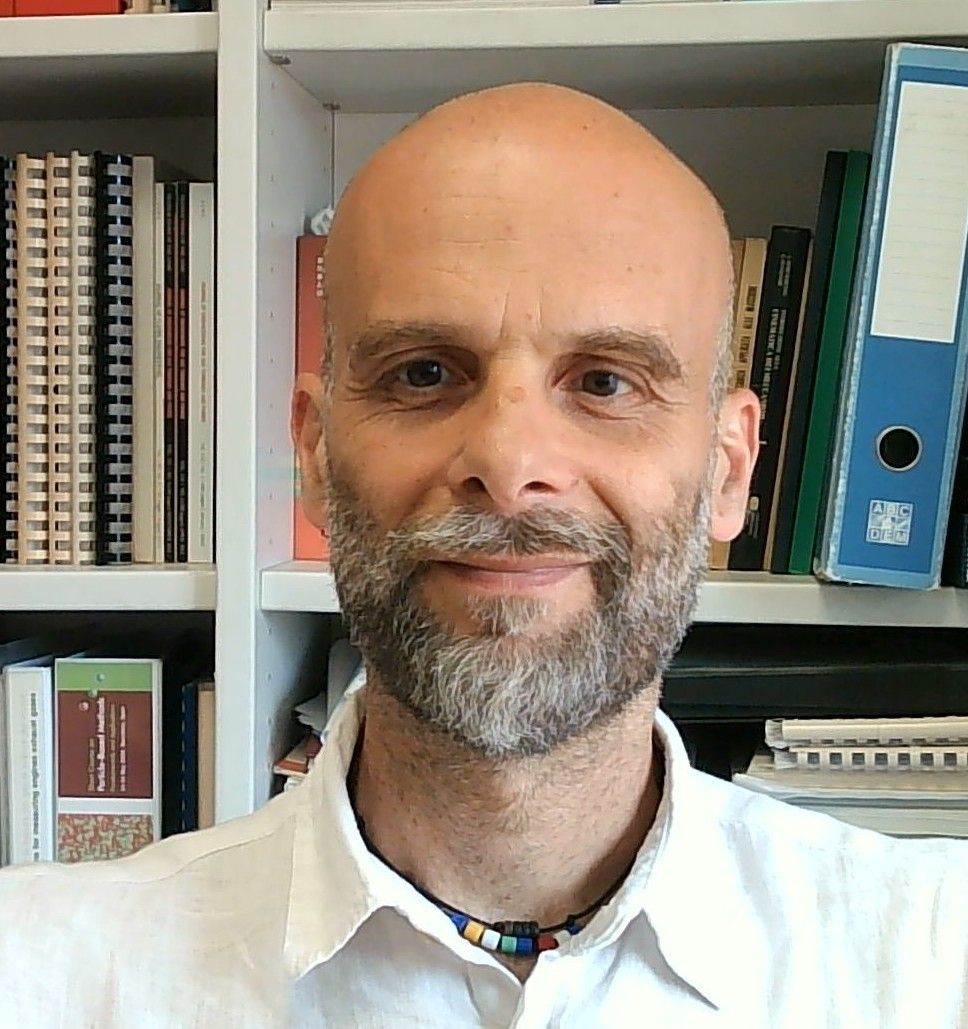
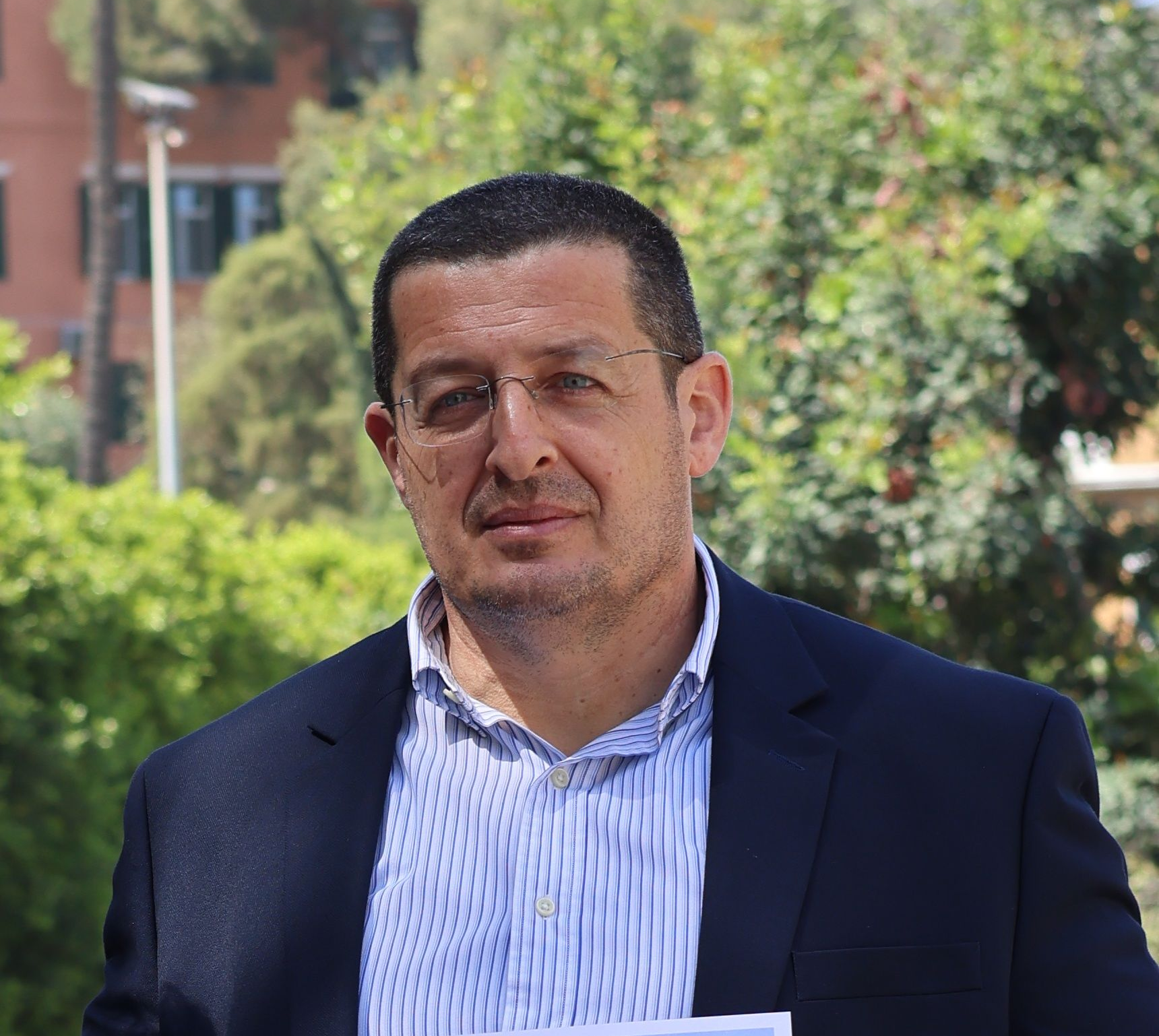
Sameer Khader is a full professor of electrical engineering at Palestine Polytechnic University (PPU). He has held various leadership roles, including Dean of Graduate Studies & Scientific Research (2012-2015) and University Academic Provost. In 2010-2011, he was a visiting professor at the University of Hartford, USA. He currently directs the Power Electronics & Signal Processing Research Unit at PPU. His research focuses on electrical machines, drives, power electronics, renewable energy, smart grids, and engineering education. He has received multiple awards, including the AMIDEAST Teaching Excellence Award (2008), and has published several IEEE papers. Prof. Khader has led multiple international projects, including World Bank and EU-funded initiatives. He is also a certified LabVIEW Associate Developer (CLAD).