Bioelectrochemical systems for bioremediation and energy harvesting

Write your awesome label here.
  • Author
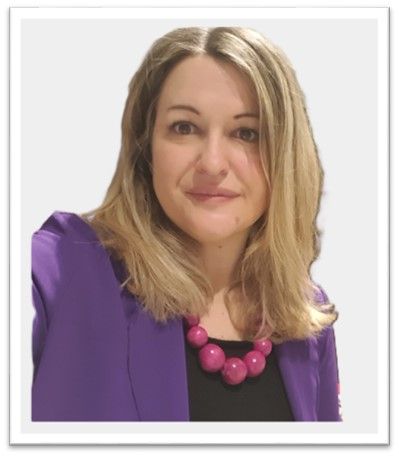
    Dr. Carlotta Cosentini
  • Level
    Advanced
  • Study time
    ~ 25 minutes
  • Videos
    1
  • Contact
    calotta.cosentini@uniroma1.it

Module Description

Renewable technologies are crucial for the energy transition, with bioenergy accounting for 50% of all renewables. Bio-electrochemical systems (BES) like microbial fuel cells (MFCs) have gained popularity due to their ability to produce energy whilst decomposing organic matters through microorganisms acting as biocatalysts. MFCs can be classified based on the electrolyte, such as sediment, wastewater, or soil sediments. They can achieve conversion efficiencies over 70% and produce energy as long as organic matter is present in the electrolyte.

 Learning Outcomes

  • Acquire a comprehensive understanding of the fundamental bio-electrochemical phenomena governing Microbial Fuel Cell (MFC) operations and the potential of Bio-Electrochemical Systems (BES) for circular energy harvesting and waste remediation

created by

Dr. Carlotta Cosentini

Dr. Carlotta Cosentini is currently a Research Fellow at Sapienza University of Rome. She completed her academic career at the same institution, where she earned her Master’s Degree in Energy Engineering with a curriculum strongly oriented toward renewable energy sources, and further consolidated her research and professional profile with an Industrial PhD in Energy and Environment.
Her research activities feature an integrated approach that combines laboratory experimentation with techno-economic feasibility studies, aimed at deploying innovative technologies on a commercial scale. Specializing in green hydrogen production via low-temperature electrolysis, she has developed expertise in the testing and characterization of prototype-scale devices, extending her scope to both electrochemical and bioelectrochemical systems.